Just Give Poor People Cash!

“Of all the preposterous assumptions of humanity over humanity, nothing exceeds most of the criticisms made on the habits of the poor by the well-housed, well-warmed, and well-fed.” Herman Melville
We think we're past this kind of thinking today.
But what if we actually were past it? What if we truly believed that poverty was not caused in defects of character or intellect, but rather by factors out of our control, like where we were born and who our parents were?
What is one thing that we might do very differently?
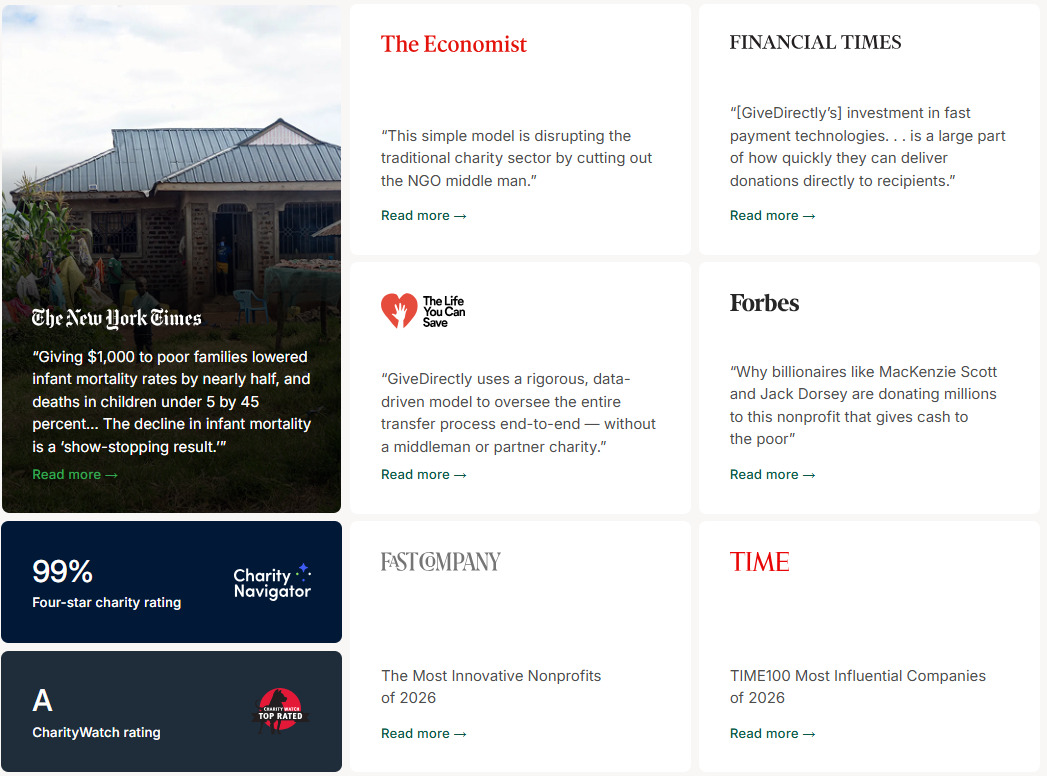
I believe we would all become supporters of charities like GiveDirectly who literally put their money where their mouth is. The New York Times recently shared a similar view of giving cash to poor mothers as the best way to reduce children's deaths.
They have found that one of the most effective ways to help desperately poor families is to give them money.
Not exactly rocket science.
But most of us hesitate. Won't they waste it? Can we trust them not to spend it on drugs? And so many more well-meaning but ultimately patronising assumptions. Wouldn't it be better for some expert consultant to decide the best way to invest the money?
Ironically, it wouldn't.
Each family knows what they need, far better than any consultant. And each family needs something different. Maybe it's to send their girl to school. Maybe it's to pay for medical help for the pregnant mother or to cure a medical ailment that affects a family member. Maybe it's to start a small business to get a regular income and be able to plan for the future.
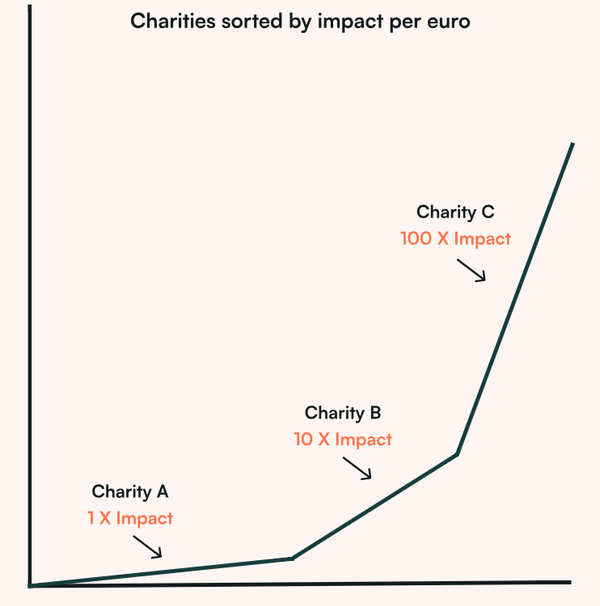
There are some fantastic organisations around these days who evaluate charitable interventions, in terms of how impactful they are - i.e. how much benefit do they deliver for every euro or dollar they receive. They do scientific studies, peer-reviewed and published in reputable journals, including high-quality statistical analyses and a very conservative focus on "counterfactual impact" - they do not just attribute an improvement in circumstances to an intervention; it must be demonstrated that the improvement would not have happened without this intervention - a very high standard of proof.
And for these (creatively named) "Charity Evaluators," giving money directly to the poorest of the poor has consistently proven to be one of the most impactful interventions, far outstripping the vast majority of more glamorous, creative interventions.
We shouldn't be surprised.
If you can just for a moment cast away your subconscious assumptions about the poor, it is, as Basil Fawlty would say, "bleedin' obvious" that giving them money, directly, with no strings attached, and letting them spend it according to their needs, would be a very effective way to help them out of poverty.
What might surprise many of us, though, is how much we can help a family with relatively small sums of money. No, you can't save a human life for 30 cents, but with €1000, you could effectively bring an entire family sustainably out of poverty. Think about that.
[This was originally a linkedin post]